 By Legal Radar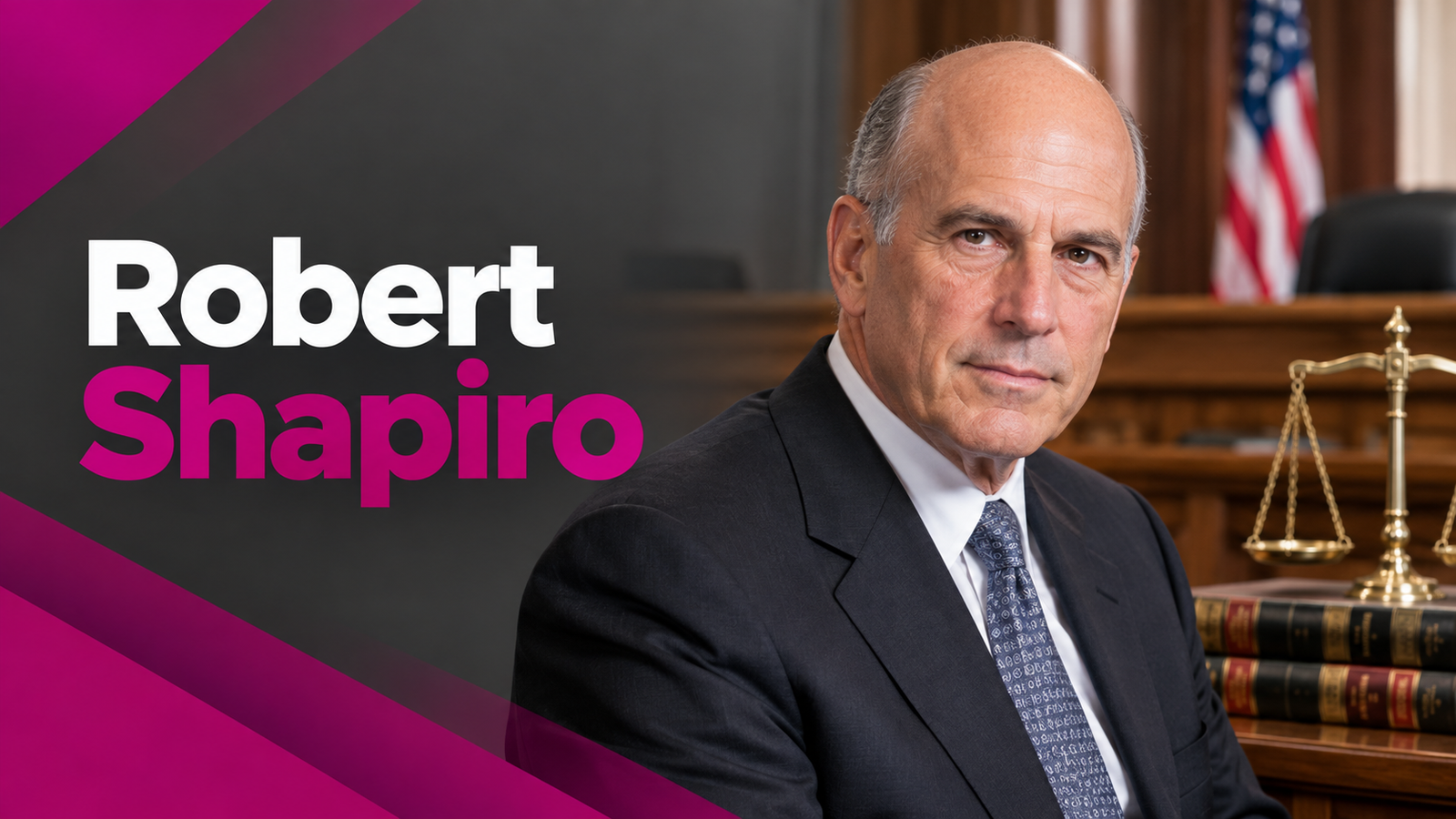
Few names in American law carry the same weight as Robert Shapiro. When the nation tuned in to the “trial of the century,” his calm presence on the O.J. Simpson defense team became instantly recognizable. Yet his story stretches far beyond that courtroom. This article explores the full arc of Robert Shapiro’s career: from early high-profile defenses to civil litigation leadership, entrepreneurial success with LegalZoom, and meaningful philanthropy through the Brent Shapiro Foundation. Whether you are a law student, true crime follower, or corporate client seeking insight into elite legal strategy, you will find a clear picture of what Robert Shapiro is known for and why his influence endures.
Early Life and Path to the Law
Robert Leslie Shapiro was born on September 2, 1942, in Plainfield, New Jersey, into a Jewish family. The family later moved to Los Angeles, where he attended Hamilton High School and graduated in 1961. At the University of California, Los Angeles, he earned a bachelor’s degree in finance from the Anderson School of Business in 1965. He was active in campus life, including membership in the Zeta Beta Tau fraternity.
Shapiro then attended Loyola Law School, earning his Juris Doctor in 1968. There he distinguished himself by winning two American Jurisprudence awards, claiming victory in the Scott Moot Court Competition, serving as Chief Justice of the Moot Court, and leading the Phi Alpha Delta legal society chapter. He was admitted to the State Bar of California in 1969.
His first professional role came as a deputy district attorney in the Los Angeles County District Attorney’s Office. After roughly two years of prosecutorial experience, he opened his own practice in 1972. That early decision set the stage for a career built on courtroom skill, media savvy, and relationship-building with both clients and the press.
Building a Reputation as a Criminal Defense Attorney
In private practice, Shapiro quickly attracted attention for representing clients in the public eye. Early matters included defending adult film actress Linda Lovelace on drug-related charges. In 1982 he represented both talk-show host Johnny Carson and fellow attorney F. Lee Bailey after separate drunk-driving arrests on the same day. These cases showcased his ability to negotiate discreetly and protect reputations.
Athletes became a notable part of his client list. He represented baseball stars Darryl Strawberry and José Canseco, as well as other sports figures. In 1990 he briefly handled matters for Erik Menendez, arranging the young man’s surrender while Erik was in Israel and appearing at the initial arraignment before the case moved to other counsel.
Shapiro’s approach emphasized calm negotiation, careful preparation, and strategic use of publicity when it served the client. He earned a reputation as a criminal defense attorney who could manage both the legal and public dimensions of high-stakes cases. This foundation prepared him for the matter that would define a generation of legal coverage.
The O.J. Simpson Trial and the Dream Team
On June 12, 1994, Nicole Brown Simpson and Ron Goldman were found murdered. O.J. Simpson, already known to Shapiro, became the central figure in what the media soon labeled the trial of the century. Shapiro joined the defense early. He was present at Robert Kardashian’s televised press conference urging Simpson to surrender and later helped assemble what became known as the Dream Team.
The team included Johnnie Cochran, F. Lee Bailey, Alan Dershowitz, and others. Shapiro played a key organizational and strategic role in the early stages. The defense focused on challenging physical evidence, questioning police procedures, and raising issues of reasonable doubt. In October 1995 the jury returned not-guilty verdicts on the murder charges.
The case transformed public understanding of criminal trials. It highlighted the power of legal strategy, the role of media, and the resources available in high-profile defenses. Shapiro later recounted the experience in his 1996 book The Search for Justice: A Defense Attorney’s Brief on the O.J. Simpson Case. The trial cemented his status as an OJ Simpson defense attorney and a household name, while also prompting him to reassess the direction of his practice.
After the verdicts, Shapiro publicly expressed reservations about certain tactics used by the team. He shifted emphasis away from pure criminal defense toward civil and corporate work, seeking a different balance in his professional life.
Transition to Civil Litigation and Corporate Work
Following the Simpson trial, Shapiro moved into civil litigation and white-collar matters. He joined what is now Glaser Weil Fink Howard Jordan & Shapiro LLP as a name partner. The Los Angeles firm handles complex business disputes, class actions, international law, securities enforcement, and related areas.
His client roster expanded to include major corporations and business leaders. Notable representations include work for Wynn Resorts Ltd and its board in multi-year litigation involving the removal of a large shareholder, Rockstar Energy Drink in a distribution dispute with Pepsi, Diamond Resorts in hospitality and timeshare matters, and Occidental Petroleum in litigation arising from events in Colombia. He has also secured significant personal-injury settlements and handled high-stakes ownership disputes, including matters involving John Paul DeJoria of Patrón Spirits.
Shapiro’s dual background in criminal and civil work gives him a distinctive perspective. He understands trial dynamics from both sides of the courtroom and brings that experience to corporate governance and complex commercial disputes. He continues to practice as both a criminal and civil trial attorney, remaining active at the firm.
Entrepreneurial Ventures: LegalZoom and Beyond
In 2001 Shapiro co-founded LegalZoom with Brian Lee, Brian Liu, and Eddie Hartman. The company set out to make routine legal documents more accessible and affordable. Customers could obtain wills, living trusts, business formation papers, trademarks, and other documents online at a fraction of traditional attorney fees.
LegalZoom grew rapidly, serving millions of individuals and small businesses. It faced early regulatory challenges regarding the unauthorized practice of law; courts ultimately determined that its document-preparation model did not cross that line in key jurisdictions. The company went public and remains a major player in legal technology. Shapiro has long served as a public face of the brand, appearing in commercials and emphasizing the goal of broader access to legal protection.
He also co-founded ShoeDazzle, an online fashion subscription service, along with related ventures such as RightCounsel.com and BizCounsel.com. These businesses reflect a consistent theme: applying legal and business insight to create practical solutions for everyday users and entrepreneurs.
Philanthropy and the Brent Shapiro Foundation
Personal tragedy reshaped Shapiro’s priorities. His son Brent died in 2005 from chemical dependency. In response, Robert and Linell Shapiro founded the Brent Shapiro Foundation for Drug Awareness (also known as the Brent Shapiro Foundation for Drug Prevention).
The foundation focuses on education, prevention, and support for young people. In partnership with the Boys & Girls Clubs of America, it created Brent’s Club, an incentive-based after-school program. Participants agree to remain drug- and alcohol-free, submit to random testing, and engage in educational and tutoring activities. Successful graduates become eligible for college scholarships. The program has expanded to multiple locations and serves thousands of young people, with high reported success rates on testing.
Shapiro has also written a children’s book, Somo Says No, featuring an anti-drug character, and made it available free to schools. The foundation’s work turns private loss into public prevention efforts, emphasizing awareness, removal of stigma, and practical support for families.
Books, Media Presence, and Continuing Influence
Beyond the courtroom and boardroom, Shapiro has contributed to legal literature and public discussion. The Search for Justice offered an insider view of the Simpson case. He later published the novel Misconception. He has written op-eds, law review articles, and commentary on trial strategy, media relations, and white-collar defense.
He frequently appears as a legal analyst on major networks and has spoken at universities, professional conferences, and civic events. Recognition includes designation among the 100 most influential lawyers in America by the National Law Journal, repeated listings in The Best Lawyers in America, Lawdragon’s Leading Lawyers guides, and Southern California Super Lawyers.
Is Robert Shapiro Still Practicing Law?
Yes. As a senior name partner at Glaser Weil Fink Howard Jordan & Shapiro LLP, he continues to handle complex civil litigation, corporate matters, and selective criminal defense work. His official materials and firm profile confirm ongoing active practice. Clients seeking counsel can reach the firm through its Century City office in Los Angeles.
Key Takeaways from an Iconic Career
Robert Shapiro’s path illustrates several enduring lessons for legal professionals and observers. First, courtroom skill and strategic preparation remain foundational, even as media and technology evolve. Second, adaptability matters: moving from criminal defense to civil and corporate work allowed him to sustain a long career. Third, entrepreneurship can expand access to legal tools, as LegalZoom demonstrated. Finally, personal experience can fuel lasting public service, as seen in the Brent Shapiro Foundation’s prevention programs.
His story is not simply a list of famous clients. It is a record of how one attorney navigated high-profile trials, built institutions, and responded to private loss with public purpose.
If you are a law student studying trial tactics, a true crime reader seeking context on the Dream Team, or a business leader evaluating counsel for complex disputes, the career of Robert Shapiro offers concrete examples of legal strategy under pressure. For those considering professional legal help, consult a qualified attorney in your jurisdiction to discuss your specific situation.
Frequently Asked Questions
What is Robert Shapiro best known for?
He is best known as a member of the O.J. Simpson Dream Team defense and as a co-founder of LegalZoom. He also built a long career representing athletes, entertainers, and corporations in both criminal and civil matters.
Is Robert Shapiro still practicing law?
Yes. He remains a partner at Glaser Weil Fink Howard Jordan & Shapiro LLP in Los Angeles and continues active trial and litigation work.
What law firm does Robert Shapiro work for?
He is a senior name partner at Glaser Weil Fink Howard Jordan & Shapiro LLP, a Los Angeles-based firm focused on litigation, corporate, intellectual property, and real estate matters.
What role did Robert Shapiro play in the O.J. Simpson trial?
He joined the defense early, helped organize the team, and contributed to strategy and public messaging. The case ended in not-guilty verdicts in 1995.
How is Robert Shapiro connected to LegalZoom?
He co-founded the company in 2001 and has long served as a visible advocate for its mission of affordable legal document services.
What is the Brent Shapiro Foundation?
It is a nonprofit founded after the death of his son Brent in 2005. It runs drug-prevention programs, including Brent’s Club in partnership with Boys & Girls Clubs, and provides college scholarships to participants who remain substance-free.
How can someone contact attorney Robert Shapiro?
Inquiries are typically directed through his law firm, Glaser Weil, at its Century City office in Los Angeles. Specific contact details appear on the firm’s official website.
You May Also Like: Penalty of Driving Without License in California: CVC 12500 Explained