 By Legal Radar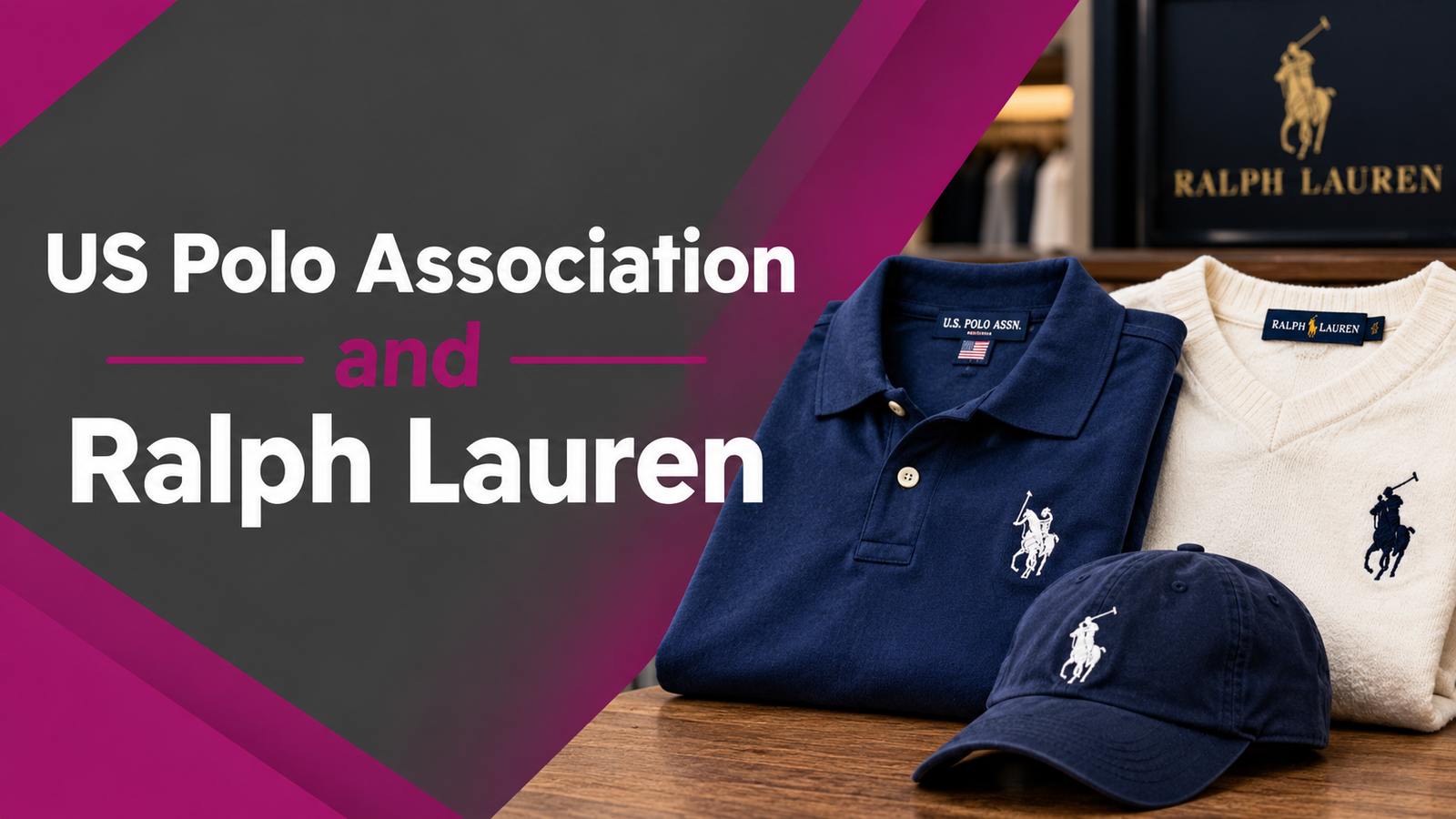
Shoppers often pause in clothing aisles or fragrance counters and wonder: is that polo player logo from Ralph Lauren or the U.S. Polo Association? Brand confusion has fueled decades of courtroom drama. This article unpacks the full legal history of the US Polo Association and Ralph Lauren trademark fights. You will learn how the single horseman logo and double horsemen mark sparked suits in the Southern District of New York, what judges decided, and how the two brands remain distinct today.
The Origins of Two Polo Powerhouses
Ralph Lauren launched his company in 1967. By the early 1970s the designer had adopted a single horseman logo: a mounted polo player swinging an upright mallet. The mark appeared on clothing and later on the iconic Polo fragrance introduced in 1978. That image quickly became one of fashion’s most recognizable symbols.
The United States Polo Association (USPA) tells a different story. Founded in 1890, it serves as the official governing body for the sport of polo in the United States. For nearly a century it focused on rules, tournaments, and handicaps. In the early 1980s the association began licensing its name and logos for commercial products. Its signature mark evolved into the double horsemen logo: two overlapping mounted players competing for the ball.
The timing created tension. Ralph Lauren had already built strong trademark rights in the word “Polo” and the single horseman image. When USPA entered apparel, accessories, and fragrances, the stage was set for years of trademark infringement claims and fashion litigation.
The First Major Clash: 1984 and the Southern District of New York
In 1984 USPA and its licensees filed suit in the Southern District of New York. They sought a declaratory judgment that their merchandise bearing a mounted polo player symbol did not infringe Ralph Lauren’s marks. Ralph Lauren (through its predecessors) countersued for trademark infringement, unfair competition, and related claims.
Judge Leonard B. Sand issued a key order after a bench trial. The court found that certain early USPA uses of a polo player symbol and the word “POLO” infringed Ralph Lauren’s rights. It also found unfair competition and trade-dress issues. The resulting injunction barred USPA from using marks that caused consumer confusion.
Yet the order left an important opening. USPA could still run a retail licensing program that used its name and “a mounted polo player or equestrian or equine symbol which is distinctive from the [Ralph Lauren] polo player symbol in its content and perspective.” That language became the foundation for later disputes over how different a double horsemen design needed to be.
The 1984 ruling set the pattern: courts repeatedly recognized Ralph Lauren’s strong rights in the single horseman and the “Polo” word mark while allowing USPA limited commercial use of its own identity tied to the sport.
The Double Horsemen Marks and the 2000s Apparel Battle
By the late 1990s USPA had redesigned its marks. Four versions of the double horsemen logo appeared on clothing lines produced under license (notably with Jordache). Ralph Lauren sued again in the Southern District of New York, claiming the marks infringed its famous Polo Player Logo.
After extensive pretrial proceedings the parties settled many issues in 2003. They left the four double horsemen variants for a jury. In 2005 a Manhattan jury delivered a nuanced verdict:
- The solid silhouette of two overlapping horsemen, shown without any text, created a likelihood of confusion and therefore infringed.
- The same solid mark accompanied by “USPA” letters did not infringe.
- Outlined (non-solid) versions of the double horsemen, with or without “USPA,” also did not infringe.
The jury’s findings reflected careful application of the likelihood-of-confusion factors under the Lanham Act. Visual differences, the presence of identifying text, and the strength of Ralph Lauren’s mark all played roles. In 2008 the Second Circuit Court of Appeals upheld the judgment. Courts therefore permitted certain double horsemen designs on apparel, leather goods, and watches so long as they stayed sufficiently distinct.
This outcome gave USPA breathing room in clothing while reinforcing that a solid, text-free version of its logo crossed the line.
Fragrance Logo Dispute: A Stricter Standard
Fragrances proved more contested. Ralph Lauren had used its single horseman logo and “Polo” mark on scents since the late 1970s. The brand later expanded the line (including Polo Blue). When USPA launched men’s fragrances featuring versions of the double horsemen mark plus “U.S. Polo Assn.” or the founding year 1890, Ralph Lauren fought back.
USPA sought a declaratory judgment that its fragrance packaging did not infringe. The Southern District of New York disagreed. In decisions around 2011–2012, Judge Robert W. Sweet found a strong likelihood of confusion. The court emphasized that Ralph Lauren’s marks in the fragrance category were “extremely strong.” An outlined or text-accompanied double horsemen design that might pass muster on apparel still created problems on perfume bottles sold side-by-side with Polo products.
The resulting permanent injunction barred USPA from using the double horsemen mark (or confusingly similar images of mounted polo players) and the word “polo” in connection with fragrances, cosmetics, and closely related goods. The Second Circuit affirmed. Courts treated the fragrance market as one where consumer confusion risked greater harm to Ralph Lauren’s established goodwill.
This chapter of the US Polo Association and Ralph Lauren rivalry illustrates a core trademark principle: the same mark can be non-infringing in one product category and infringing in another, depending on market conditions and the strength of the senior user’s rights.
Eyewear, Contempt Proceedings, and Continuing Skirmishes
Litigation did not end with fragrances. Between roughly 2009 and 2012 USPA sold significant volumes of sunglasses bearing double horsemen marks. Ralph Lauren moved for contempt, arguing the sales violated earlier injunctions.
A district court initially found contempt. On appeal in 2015 the Second Circuit vacated that order. The appellate court stressed that parties bound by an injunction deserve clear notice of prohibited conduct. Because the earlier orders focused heavily on fragrances and certain other categories, they did not unambiguously ban every use of the double horsemen mark on eyewear. The case returned for further proceedings, underscoring how carefully courts parse the scope of prior decrees in long-running trademark wars.
Additional suits and settlement-related disputes have appeared over the years, including questions about international licensing and compliance with earlier agreements. The overall pattern remains consistent: Ralph Lauren vigorously polices its single horseman and “Polo” marks, while USPA asserts its right to commercialize its historic connection to the sport through distinctive double horsemen designs and its full name.
Key Differences Between the Brands
Despite the legal overlap, the two companies occupy different market positions.
Polo Ralph Lauren is a designer lifestyle brand. It emphasizes premium materials, classic American style, and high-end positioning across apparel, home goods, accessories, and fragrance. The single horseman logo signals that luxury heritage.
U.S. Polo Assn. (the commercial brand of the USPA) targets more accessible price points. Its products often emphasize sporty, casual, or value-oriented fashion. The double horsemen logo and the association’s name and founding date (1890) help distinguish it. Licensing remains central to its business model.
Consumers who look closely can usually tell the difference. The solid single player with raised mallet belongs to Ralph Lauren. Two overlapping players, especially when paired with “U.S. Polo Assn.” or “USPA,” point to the association’s brand. Packaging, price, and retail channel supply additional cues.
Trademark Principles Illustrated by the Cases
These battles offer clear lessons in intellectual property law:
- Likelihood of confusion remains the central test. Courts examine the similarity of the marks, the strength of the senior mark, the proximity of the goods, evidence of actual confusion, the defendant’s intent, and other factors.
- A mark that is strong in one product category may receive broader protection there even if a junior user has limited rights elsewhere.
- Prior consent or settlement discussions can become evidence, but parties must still avoid designs that create confusion.
- Injunctions must be clear. Ambiguity can defeat later contempt findings.
- Generic or descriptive elements (the sport of polo itself) cannot be monopolized, yet specific stylized logos and acquired secondary meaning receive robust protection.
Students of trademark law and brand managers alike study these cases because they show how courts balance free competition against the need to prevent consumer deception.
Who Owns What Today?
Ralph Lauren Corporation (and its subsidiaries such as PRL USA Holdings) owns the Polo Ralph Lauren trademarks, including the famous single horseman logo and related word marks. The United States Polo Association continues to own and license its own marks, including variants of the double horsemen logo, through its properties arm. Commercial licensing arrangements have involved various partners over the decades, but the underlying trademark ownership remains with the association itself.
Neither party “owns” the sport of polo or a purely generic depiction of players on horseback. What each owns is its particular stylized presentation and the goodwill attached to it.
Practical Takeaways for Shoppers and Brand Watchers
When you see a polo player on a shirt or bottle, check the surrounding text and the number of riders. One player with a raised mallet almost always signals Ralph Lauren. Two players usually signal U.S. Polo Assn., especially when the full association name appears. Price point and store placement also help.
For businesses, the long history demonstrates the value of early trademark registration, careful clearance searches, and respect for existing injunctions. Expanding into adjacent categories (such as fragrance after building an apparel presence) requires extra caution when a senior user already dominates that space.
Conclusion
The US Polo Association and Ralph Lauren trademark battles span more than four decades of suits, jury verdicts, injunctions, and appeals centered in the Southern District of New York. Courts have protected Ralph Lauren’s single horseman logo and “Polo” marks while allowing USPA to commercialize distinctive double horsemen designs in many product categories. Fragrance proved the most restricted area. The brands remain separate: one a luxury designer label, the other a sport-rooted lifestyle licensor. Understanding these differences helps consumers shop with confidence and gives legal students a rich case study in likelihood-of-confusion analysis. If you face a similar branding question, consult an experienced intellectual property attorney to evaluate your specific marks and markets.
Frequently Asked Questions
Did Ralph Lauren sue the US Polo Association?
Yes. Ralph Lauren (through its entities) filed multiple suits beginning with the 1984 countersuit and continuing through apparel, fragrance, and later product disputes. USPA also initiated some actions seeking declaratory judgments.
What is the difference between the single horseman logo and the double horsemen logo?
Ralph Lauren’s mark shows one mounted player with a raised mallet. USPA’s primary commercial mark shows two overlapping players. Courts have treated the solid, text-free double horsemen version as more problematic on certain goods.
Who won the main court cases?
Results were mixed by product category. Ralph Lauren largely prevailed on fragrance and on the solid text-free double horsemen mark for apparel. USPA prevailed on certain outlined or text-accompanied double horsemen marks for clothing, leather goods, and watches. Later contempt findings were narrowed on appeal.
Can USPA still sell products with a polo player image?
Yes, provided the design remains distinctive from Ralph Lauren’s logo and complies with existing injunctions, especially in fragrance and related categories. Many USPA products lawfully carry approved versions of the double horsemen mark plus identifying text.
Why did the fragrance dispute receive stricter treatment?
Ralph Lauren had used its marks on fragrances for decades and built strong secondary meaning. Courts found greater likelihood of confusion in that market even for designs that might pass on apparel.
Are the two brands owned by the same company?
No. Ralph Lauren Corporation owns the Polo Ralph Lauren brand. The United States Polo Association owns and licenses its own commercial marks independently.
Where can I read the actual court opinions?
Key decisions appear on public databases such as Justia, court websites for the Southern District of New York and the Second Circuit, and government sites that host federal opinions.
You May Also Like: Biote Case Description: Legal Breakdown of BioTE Medical v. Donovitz